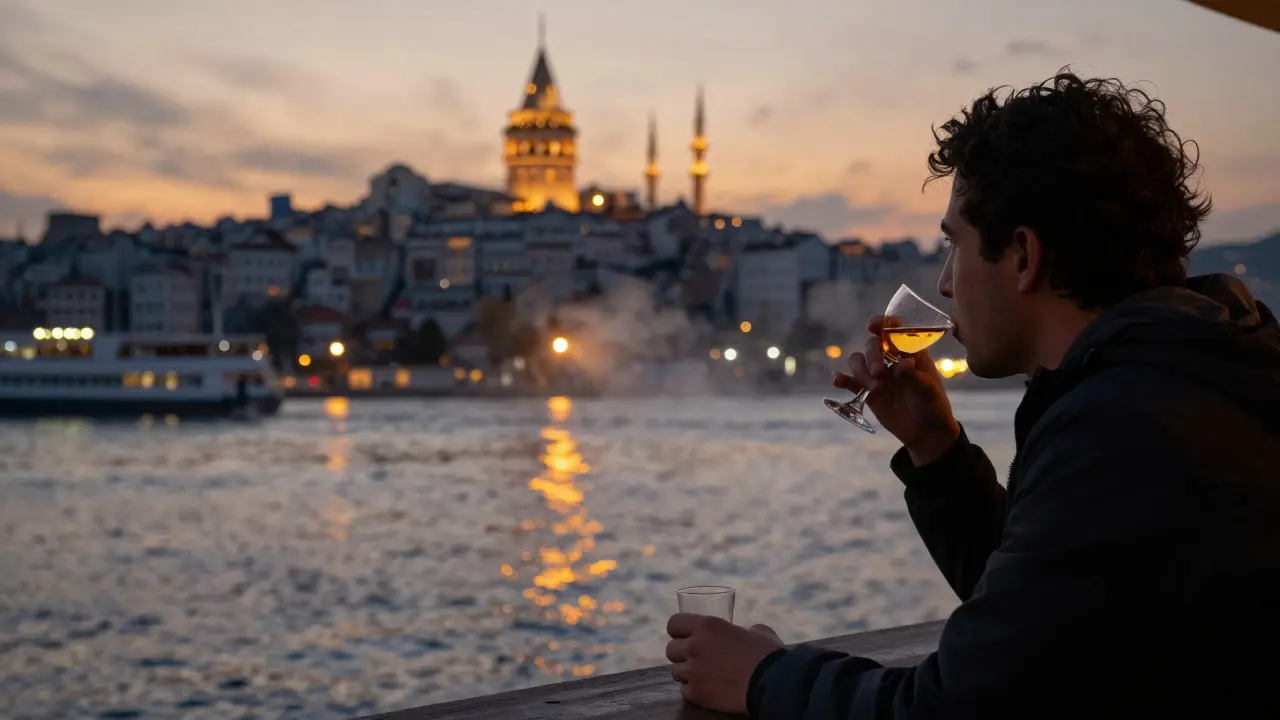
When the sun sets over the Bosphorus, Istanbul doesn’t sleep-it wakes up. The city’s nightlife isn’t just about drinking or dancing. It’s about sipping raki on a rooftop with the call to prayer drifting over the water, dancing to Turkish house beats in a basement club hidden behind an unmarked door, or sipping tea at 3 a.m. with friends who became family by sunrise. Istanbul’s night scene is layered, unpredictable, and deeply human.
Where the City Comes Alive After Midnight
Istanbul’s nightlife doesn’t follow a single rhythm. It has districts, each with its own pulse. Karaköy and Beyoğlu are the most famous, but they’re only the beginning. In Karaköy, old warehouses have turned into sleek lounges where DJs spin vinyl under exposed brick. The lighting is low, the cocktails are expertly made, and the crowd is a mix of local artists, expats, and tourists who know better than to go to the tourist traps.
Head up to İstiklal Avenue in Beyoğlu, and you’ll find a different energy. It’s loud, crowded, and electric. Street performers, vintage record shops, and neon-lit bars line the pedestrian street. But the real gems are the side alleys. Look for Asmali Mescit, a narrow street lined with live music venues. One night you might hear a ney flute echoing through the alley; the next, a punk band shredding in a basement bar called Bar 1919. There’s no guidebook entry for these places-you find them by following the sound.
Bars That Don’t Look Like Bars
The best bars in Istanbul don’t advertise themselves. Some are hidden behind bookstores, others behind refrigerators in old apartments. Bar 1919 is one of them. No sign. Just a door that opens to a dimly lit room with mismatched chairs, a jukebox playing Turkish pop from the 80s, and a bartender who remembers your name after one drink. They serve simple things: gin and tonic with rosewater, local rakı with a side of pickled peppers, and homemade limonata that tastes like childhood summers.
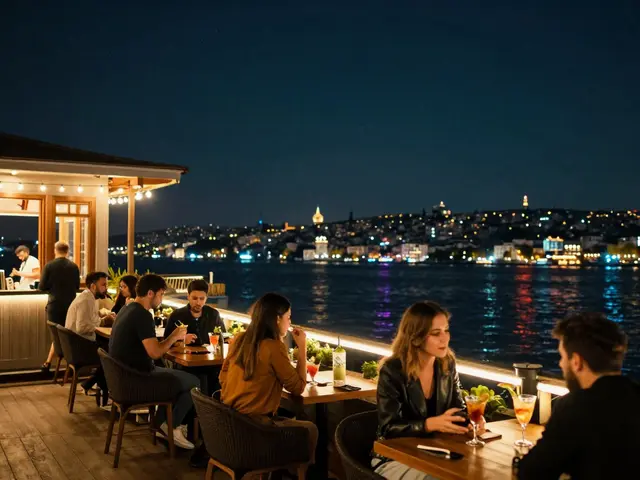
Then there’s Leb-i Derya in Karaköy. It’s a rooftop bar with a view of the Golden Horn and the Galata Tower. You don’t come here for the cocktails-you come for the silence. The city hums below, but up here, it’s just the wind and the distant splash of a ferry. It’s the kind of place where you sit for two hours, not talking much, just watching the lights blink on across the water.
Don’t miss La Vie in Nişantaşı. It’s a wine bar disguised as a cozy living room. The shelves are lined with bottles from Turkey’s emerging wine regions-Cappadocia, Thrace, and the Aegean coast. The owner, a former sommelier from Izmir, will pour you a glass of Narince or Öküzgözü and tell you why it tastes like dried figs and mountain earth. No menu. Just trust.
Clubs That Move the City
If you’re looking for a club that feels like a secret society, Reina is still the king. Perched on the Bosphorus shoreline, it’s been open since the 90s and still draws A-listers from Europe and the Middle East. The music shifts from deep house to Turkish remixes as the night goes on. The crowd is young, stylish, and not there to be seen-they’re there to feel the bass through their bones. Entry is strict. No sneakers. No flip-flops. No tourists with cameras. But if you’re invited, you’ll remember it for years.
For something raw and underground, try Club 1907 in Kadıköy. It’s on the Asian side, where the locals go. The entrance is through a laundromat. Inside, the walls are covered in graffiti, the sound system is old but powerful, and the DJ plays a mix of Turkish folk samples and techno. It’s not polished. It’s not safe. But it’s real. You’ll leave with your ears ringing and your soul lighter.
On weekends, Bar 1923 in Beyoğlu turns into a live music hub. Local bands play everything from Anatolian rock to jazz fusion. The crowd sways, sings along, and sometimes joins in. No one checks IDs. No one cares if you’re foreign. If you’re dancing, you’re family.

Street Food That Keeps the Night Going
After dancing until 3 a.m., you’re not looking for a fancy meal. You’re looking for warmth. That’s where the street vendors come in. In Sultanahmet, the kebab cart near the Blue Mosque stays open until dawn. The meat is slow-roasted, the bread is fresh, and the sauce is spicy enough to wake you up. It’s not fancy. It’s perfect.
On the Asian side, the fish sandwiches at Çırağan pier are legendary. Grilled mackerel, pickled onions, and a squeeze of lemon on crusty bread. You eat it standing up, with your back to the water, watching the ferries glide past. It costs 40 Turkish lira-less than $2. You’ll crave it again.
And then there’s the simit sellers. These men walk the streets with carts full of sesame-crusted bread rings. They’re everywhere-outside clubs, near metro stations, beside late-night pharmacies. Grab one with a slice of white cheese and a cup of strong Turkish tea. It’s the unofficial breakfast of Istanbul’s night owls.
When the Night Ends-And What Comes Next
Istanbul doesn’t have a curfew. But it does have a rhythm. By 5 a.m., the clubs are closing. The bars are emptying. The street vendors are packing up. And the city’s quietest moment begins.
That’s when you find yourself in a 24-hour tea house in Fatih. The old men are playing backgammon. The tea is poured from a long spout. No one speaks much. But you feel it-the shared understanding that you’ve all been part of something rare. A night that didn’t follow rules. A city that never sleeps, but knows when to breathe.
If you’re lucky, you’ll end up on a ferry at sunrise. The water is still. The city glows gold. And for a few minutes, Istanbul feels like it belongs only to you.

What to Avoid
Not all of Istanbul’s nightlife is worth your time. Skip the tourist traps on İstiklal Avenue that charge 300 lira for a cocktail and play only English pop. Avoid the fake "Turkish belly dance" shows in Taksim that are just for Instagram. And never, ever go to a club that asks for your passport at the door-that’s a scam.
Also, don’t assume the nightlife is the same every night. Some places close on Mondays. Others only open on weekends. Check local Instagram accounts like @istanbul.nightlife or ask your hotel staff for the real spots. They’ll know.
Best Times to Go
Summer (June-August) is the peak. The weather is warm, the terraces are full, and the energy is electric. But fall and spring are better if you want space and authenticity. September is magical-the heat fades, the crowds thin, and the music gets deeper.
Winter nights in Istanbul are quiet but special. The city feels more intimate. The lights glow brighter against the cold. And the people who stay out are the ones who truly love it.
Is Istanbul nightlife safe for solo travelers?
Yes, Istanbul’s nightlife is generally safe for solo travelers, especially in areas like Karaköy, Beyoğlu, and Kadıköy. The streets are well-lit, and locals are used to foreigners. But avoid isolated alleys after midnight, don’t accept drinks from strangers, and keep your belongings close. Most clubs have security, and taxis are reliable if you use apps like BiTaksi.
What’s the dress code for Istanbul nightclubs?
It depends on the place. Upscale spots like Reina require smart casual-no shorts, no flip-flops, no sportswear. Underground clubs like Club 1907 are more relaxed-jeans and a good shirt are fine. For rooftop bars, light layers work well. When in doubt, dress a little nicer than you think you need to. Istanbul’s nightlife respects style, even if it’s subtle.
Do I need to speak Turkish to enjoy Istanbul’s nightlife?
No, but knowing a few phrases helps. Most bartenders in tourist areas speak English. In hidden spots, a simple "Teşekkür ederim" (thank you) or "Lütfen" (please) opens doors. Many locals appreciate the effort. And if you’re lost, just smile and point-you’ll usually be helped.
How much should I budget for a night out in Istanbul?
You can have a great night for under 500 Turkish lira ($15). A drink at a local bar costs 80-150 lira. A meal at a street vendor is 50-100 lira. Club entry is often free before midnight, or 150-300 lira after. A taxi across the city is around 200 lira. Skip the tourist restaurants-they charge 5x more for the same food.
Are there any all-night places in Istanbul?
Yes. Tea houses in Fatih and Eminönü stay open 24 hours. Some kebab spots and simit vendors never close. A few bars, like Bar 1919, run until dawn. And if you’re lucky, you’ll find a group of locals playing backgammon in a corner, still going at 6 a.m. The city doesn’t shut off-it just slows down.
What to Do Next
Start with one neighborhood. Pick Karaköy for elegance, Beyoğlu for chaos, or Kadıköy for authenticity. Walk without a map. Let the music lead you. Talk to someone at the bar. Ask where they go after closing. You’ll get a story. And maybe, just maybe, an invitation.
Istanbul’s nightlife isn’t a checklist. It’s a conversation. And the best part? You’re not just visiting. You’re becoming part of it.