Paris doesn’t sleep when the sun goes down. While tourists head back to their hotels, the real city wakes up. From hidden wine cellars to rooftop dance floors, Paris after midnight isn’t just about partying-it’s about atmosphere, history, and a rhythm you won’t find anywhere else. If you think Paris is all cafés and museums, you’re missing the heartbeat of the city after 11 p.m.
Where the Locals Go After Midnight
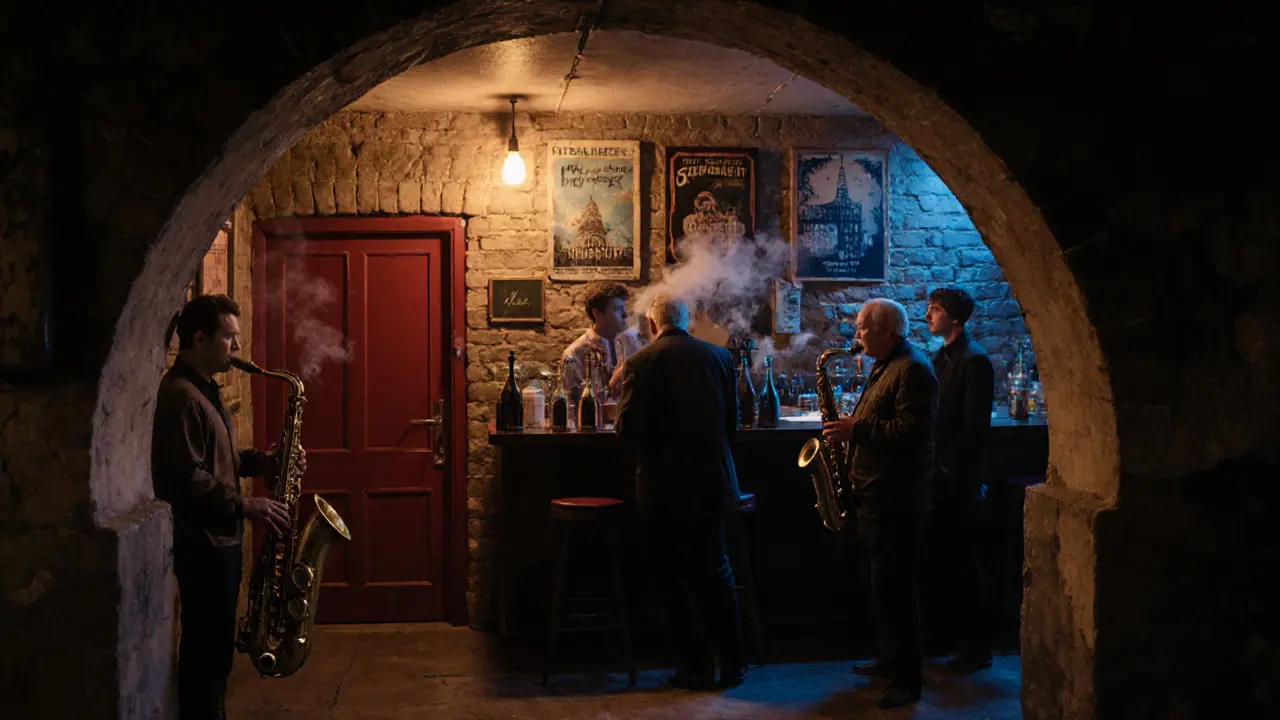
Most guidebooks point you to Saint-Germain or Le Marais, but the real nightlife lives in the backstreets. In the 10th arrondissement, La Belle Hortense is a jazz bar tucked under railway arches. No signs, no website, just a red door and the sound of a saxophone drifting out. You need to know to look for the flickering bulb above the entrance. Inside, it’s standing room only, wine by the carafe, and no cover charge. Locals have been coming here since the 1980s. It’s not trendy-it’s timeless.
Down in the 11th, Le Comptoir Général is a sprawling, jungle-themed lounge with mismatched furniture, live Afrobeat, and cocktails made with house-infused spirits. The vibe is chaotic but welcoming. You’ll find artists, students, and expats all sharing one long table. They serve food until 2 a.m., and the rum punch is strong enough to make you forget the time.
The Best Rooftop Bars for Sunset to Sunrise
Paris has more rooftop bars than ever, but not all are worth the wait. Le Perchoir has five locations, but the one on Rue de l’Abbé de l’Épée in the 14th is the quietest. It’s not the tallest, but it’s the most alive. You get a view of Montparnasse Tower, a good selection of natural wines, and a crowd that actually talks to each other. Arrive before 10 p.m. or you’ll be waiting 45 minutes for a table.
For something more dramatic, head to Terrass’Hôtel in the 8th. It’s perched above a boutique hotel with a glass-bottomed pool that overlooks the Eiffel Tower. The music is deep house, the lighting is soft, and the crowd is mostly French professionals who know how to enjoy the night without screaming. The last call is at 3 a.m., but they’ll let you stay until 4 if you’re still there at 2:45.
Clubs That Actually Stay Open Until Dawn
Paris clubs don’t operate like Berlin or Ibiza. They’re smaller, more intimate, and often underground. Concrete in the 13th is the closest thing Paris has to a true techno temple. It’s in a converted warehouse, the sound system is custom-built, and the DJs are booked months in advance. The door opens at 11 p.m., but the real energy doesn’t hit until 1 a.m. No VIP tables, no dress code, just pure sound and sweat. You’ll leave at 6 a.m. with your ears ringing and your feet sore.
For something more experimental, try La Cigale in the 18th. It’s not a club-it’s a concert hall that turns into a dance floor after midnight on weekends. Bands play live sets from 11 p.m. to 2 a.m., then DJs spin until 5 a.m. The crowd is a mix of punks, fashion students, and older Parisians who still remember the ’80s. The walls are covered in graffiti, and the beer is cheap.

Wine Bars That Turn Into Nightlife Hubs
Parisians don’t always go straight from dinner to clubs. Many start with wine. Le Verre Volé in the 10th is a wine bar that feels like a secret society. They serve 40 wines by the glass, all from small organic producers. The staff can tell you the soil type of every vineyard. By 1 a.m., the bar is packed, and the conversation turns from terroir to politics to last night’s party. They don’t close until 3 a.m. on weekends.
Another favorite is Le Chateaubriand in the 11th. It’s technically a restaurant, but after 11 p.m., the kitchen stops serving food and the lights dim. The bar becomes the main attraction. You can order a glass of natural Burgundy and sit on a stool next to someone who just finished a 12-hour shift at a hospital. No one cares what you do for a living. They just care if you like the wine.
What to Avoid in Paris Nightlife
Not every place with a neon sign is worth your time. Avoid the tourist traps around the Eiffel Tower and Montmartre. The bars near Sacré-Cœur charge €15 for a glass of house wine and play American pop on loop. They’re designed for people who want to say they “went out in Paris,” not for people who want to feel like they’re in Paris.
Also skip the big-name clubs that advertise on Instagram. Places like Le Baron or La Cigale (the one in the 18th, not the concert hall) often have long lines, strict dress codes, and overpriced drinks. The music is generic, and the crowd is mostly foreign tourists trying to look cool. You’ll pay €50 to get in and leave feeling empty.
And never trust a bouncer who says, “You’re on the list.” If you didn’t RSVP through a local friend, you’re probably not on the list. Parisian nightlife runs on trust, not tickets.

When to Go and How to Get Around
The best nights for nightlife are Thursday through Saturday. Sunday is quiet-most places close early. Monday is dead. Tuesday and Wednesday are good for low-key spots like wine bars and jazz clubs.
Public transport runs until 1:15 a.m. on weekdays and 2:45 a.m. on weekends. After that, you’ll need a taxi or rideshare. Uber is reliable but expensive. VTCs (private car services) like Bolt or Kapten are cheaper and more common. Always check the app before you leave a bar-some drivers won’t go to certain neighborhoods after 2 a.m.
Walking is fine in central areas like Le Marais or Saint-Germain, but avoid walking alone after 3 a.m. in the 18th or 19th arrondissements. Stick to well-lit streets and know your route.
What to Wear
Parisians dress for mood, not rules. There’s no strict dress code anywhere except maybe the very upscale rooftop bars. For most places, smart casual works: dark jeans, a good shirt, clean shoes. No flip-flops. No hoodies. No baseball caps indoors. It’s not about being rich-it’s about being intentional.
Women often wear dresses or tailored pants. Men skip the suit unless they’re heading to a high-end club. The goal is to look put together without trying too hard. A leather jacket, a scarf, or a single statement piece is enough.
Final Tip: Slow Down
The biggest mistake visitors make is rushing. Paris nightlife isn’t about hitting five bars in one night. It’s about finding one place where you feel at home. Sit at the bar. Talk to the bartender. Ask what they’re drinking. Let the night unfold.
Some of the best memories aren’t the loudest nights-they’re the quiet ones. Like sitting on a bench near the Seine at 3 a.m. with a bottle of wine you bought from a corner shop, listening to a distant accordion, watching the lights on the bridge flicker.
Is Paris nightlife safe at night?
Yes, most areas where tourists go out are safe, especially in central arrondissements like the 1st, 4th, 6th, and 11th. Avoid walking alone after 3 a.m. in the outer districts like the 18th or 19th. Stick to well-lit streets, use rideshares after midnight, and don’t flash valuables. Most incidents involve pickpockets in crowded bars, not violence.
What time do Paris bars close?
Most bars close between 2 a.m. and 3 a.m. on weekends. Clubs usually stay open until 4 a.m. or 5 a.m. Some wine bars and late-night cafés, like Le Comptoir Général or Le Verre Volé, may serve drinks until 3:30 a.m. But legally, all alcohol sales must stop by 4 a.m. in Paris.
Do I need to make reservations for Paris nightlife spots?
For rooftop bars and popular clubs like Concrete or Le Perchoir, yes-especially on weekends. For smaller wine bars and jazz spots like La Belle Hortense, no. You can just walk in. If you’re unsure, call ahead or check their Instagram stories. Many places post wait times or last-minute openings.
Are there any free nightlife options in Paris?
Yes. Many jazz bars have free entry, like La Belle Hortense and Le Caveau de la Huchette. Some museums, like the Musée d’Art Moderne, offer free late-night openings on the first Friday of the month. Walk along the Seine after midnight-it’s beautiful and completely free. You can also find pop-up vinyl listening sessions in bookshops in Le Marais on Saturday nights.
What’s the difference between a bar and a cabaret in Paris?
A bar is a place to drink and talk. A cabaret is a show-think Moulin Rouge-style performances with dancers, singers, and elaborate costumes. Most cabarets are tourist-focused and expensive. If you want real Parisian nightlife, skip the cabarets. They’re entertainment, not culture. The real magic is in the unscripted moments: a stranger buying you a drink, a musician playing on the street, a quiet conversation at 2 a.m. that lasts until sunrise.
If you want to experience Paris after dark like a local, forget the postcards. Find the alley with the flickering light. Sit down. Listen. Let the city show you its rhythm. You’ll leave not with a photo, but with a feeling.