When it comes to Paris nightlife is the vibrant after‑dark scene that spans everything from historic cabarets to rooftop cocktail bars, underground techno clubs to spontaneous street parties, the city offers something for every night‑owl.
Why Paris After Dark feels Different
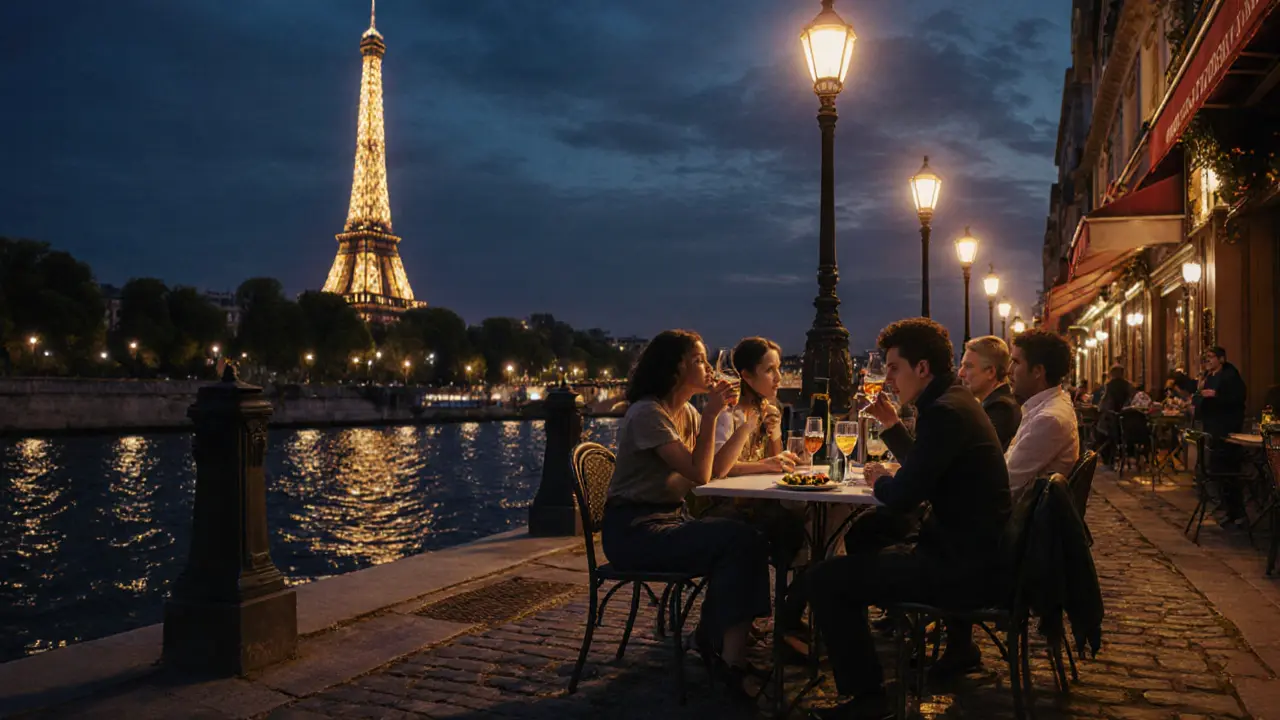
Paris isn’t just a city of museums and cafés; after sunset the streets turn into an open‑air stage. The Paris nightlife rhythm follows a loose schedule: locals start with an aperitif around 7 pm, move to a dinner spot at 9 pm, and only hit the clubs after midnight. Knowing this flow helps you avoid the “early‑bird” trap that many tourists fall into.
Top Neighborhoods to Explore
Each arrondissement has its own vibe. Here’s a quick run‑through of the four districts that locals swear by.
- Le Marais is a historic quarter known for its narrow streets, chic boutiques, and gay‑friendly bars. The area shines after 10 pm with speakeasy‑style cocktail lounges and lively queer venues.
- Canal Saint‑Martin is a laid‑back waterside neighborhood that attracts young Parisians seeking relaxed bars and outdoor picnics. Summer evenings often feature pop‑up DJs on the canal banks.
- Rue Oberkampf is the hub of underground electronic music, packed with gritty clubs and affordable wine bars. Expect the crowd to stay until the early hours.
- Champs‑Élysées is the glamorous boulevard where high‑end nightclubs and celebrity hot spots line the avenue. Dress codes are stricter, but the experience feels like a movie set.

Must‑Visit Venues that Define the Scene
Below are five iconic spots that give you a taste of the range inside Paris.
- Moulin Rouge is the legendary cabaret in Montmartre, famous for its can‑can dancers and lavish shows. Book a dinner‑show combo for a full‑night experience.
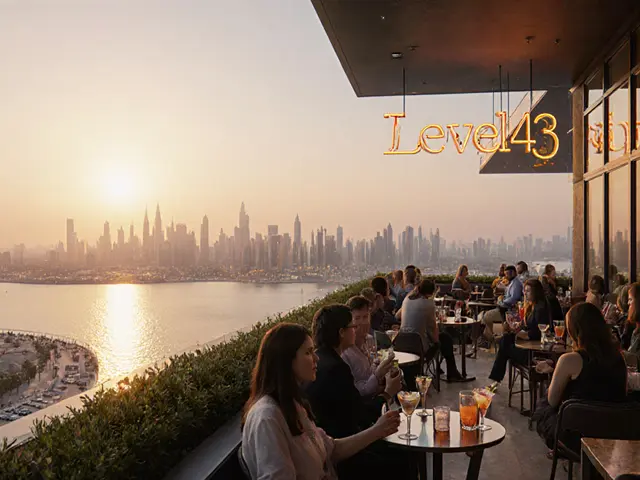
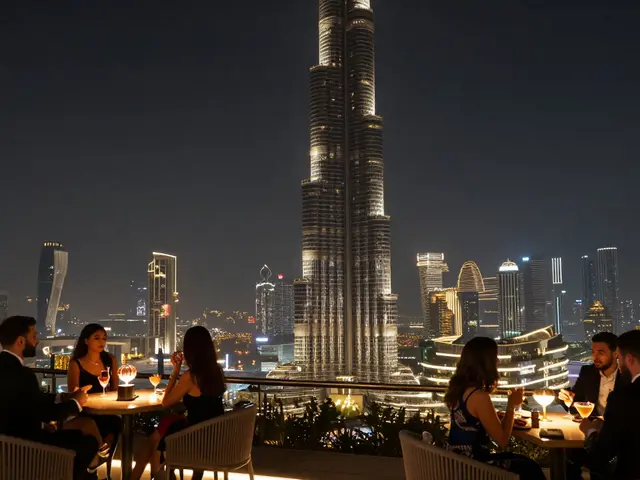
- Le Perchoir is a rooftop bar perched on the 11th arrondissement, offering panoramic city views and inventive cocktails. Arrive early for the sunset seat.
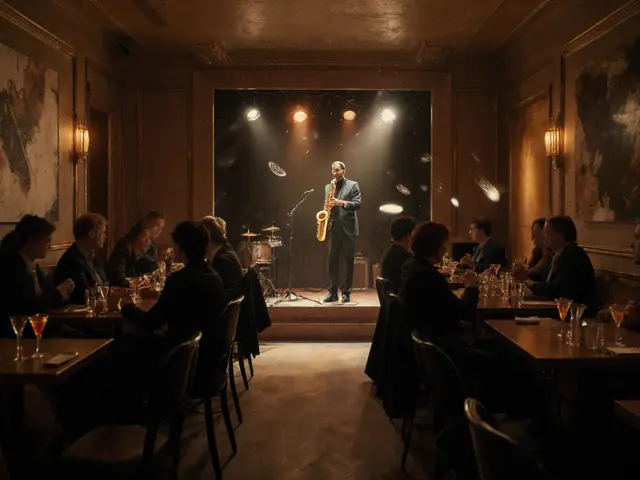
- La Belle Époque is a retro‑styled bar in the 9th arrondissement with a focus on classic French spirits and live jazz. Perfect for a relaxed after‑dinner drink.
- Le Syndicat is a cocktail bar hidden in the 10th arrondissement that champions French‑sourced ingredients. The bartender’s tasting menu is a must‑try.
- Fête de la Musique is the annual city‑wide music festival on June 21, where streets, parks, and cafés turn into free‑entry stages. Even if you visit outside June, the spirit lives on in impromptu street jams.
Insider Tips to Blend In Like a Local
- Start with an apéritif (wine, pastis, or a light cocktail) at a neighborhood bar before heading to dinner. It’s a social ritual and signals you respect the tempo.
- Pay with cash whenever possible. Many small bars still prefer euros over cards, and cash avoids the dreaded “card declined” moment.
- Dress smart‑casual for most clubs: dark jeans, a neat shirt, and clean shoes. Avoid athletic wear unless you’re headed to a dedicated techno venue like Rex Club.
- Learn a few French phrases: “Un verre de vin, s’il vous plaît” (a glass of wine, please) and “C’est où le bar le plus proche?” (where’s the nearest bar?) go a long way.
- Respect the closing time. Parisians typically leave clubs around 3 am; lingering past that can attract security attention.

Safety and Practicalities
Paris is generally safe, but a few rules keep the night smooth.
- Transport: The Metro runs until about 1 am on weekdays and 2 am on Fridays and Saturdays. Afterward, rely on night buses (Noctilien) or reputable rideshare apps.
- Watch your belongings in crowded spots, especially near the Eiffel Tower and along the Champs‑Élysées.
- If you feel uneasy, step into a 24‑hour café for a quick coffee break; these places double as informal safe‑havens.
Quick Comparison of Nightlife Districts
| District | Vibe | Typical Crowd | Best Time to Go | Price Range (€) |
|---|---|---|---|---|
| Le Marais | Chic & LGBTQ‑friendly | Stylish locals, tourists | 10 pm - 2 am | 15‑40 |
| Canal Saint‑Martin | Bohemian & relaxed | Young creatives | 8 pm - Midnight | 10‑30 |
| Rue Oberkampf | Underground techno | Electronic music lovers | Midnight - 4 am | 12‑35 |
| Champs‑Élysées | Glamorous & high‑end | Affluent visitors | 11 pm - 3 am | 30‑80 |

Sample One‑Night Itinerary for First‑Timers
- 7:30 pm - Grab an aperitif at Le Perchoir. Order the “Paris Sunset” cocktail and enjoy the city lights.
- 9:00 pm - Head to a nearby bistro in Le Marais for a classic French dinner (think coq au vin).
- 11:30 pm - Walk to Le Syndicat for a curated tasting of French gin and absinthe.
- 1:00 am - If you love dancing, hop over to Rue Oberkampf and lose yourself in the techno beats at Badaboum.
- 3:30 am - End the night on a sweet note with a late‑night crêpe from a street vendor near the Bastille.
Final Thoughts
Paris nightlife is a layered experience that rewards curiosity. By picking the right neighborhood, respecting local customs, and staying safe, you’ll get a taste of the city that most tourists miss. So, next time you land at Charles de Gaulle, skip the daytime museum queue and dive straight into the night‑time magic.
When does Paris nightlife really start?
Locals usually begin with an aperitif around 7 pm, have dinner at 9 pm, and only hit clubs after midnight. Arriving earlier can feel out of sync.
Do I need to speak French to enjoy the bars?
No, most staff speak English, especially in tourist‑heavy spots. Knowing a few basic phrases helps you blend in and shows respect.
Is it safe to walk around at night?
Yes, Paris is generally safe, but keep an eye on your belongings in crowded areas, stick to well‑lit streets, and use night buses or rideshares after the Metro closes.
What’s the dress code for most clubs?
Smart‑casual is the rule: dark jeans, a nice shirt, and clean shoes. High‑end venues on the Champs‑Élysées may require a jacket for men.
Can I use credit cards everywhere?
Large restaurants and hotels accept cards, but many smaller bars and street vendors prefer cash. It’s wise to carry €20‑€50 notes.