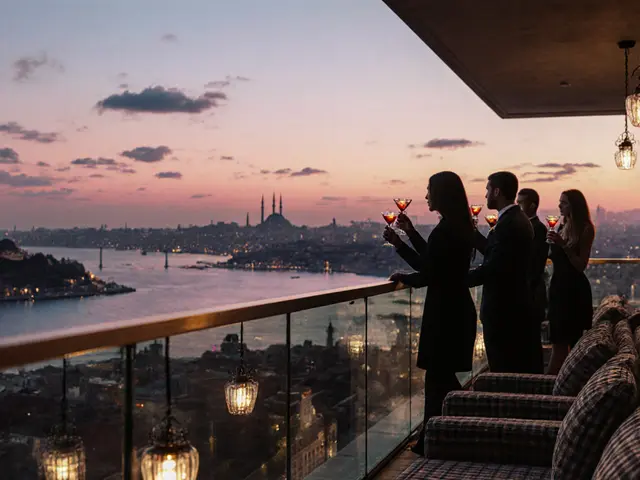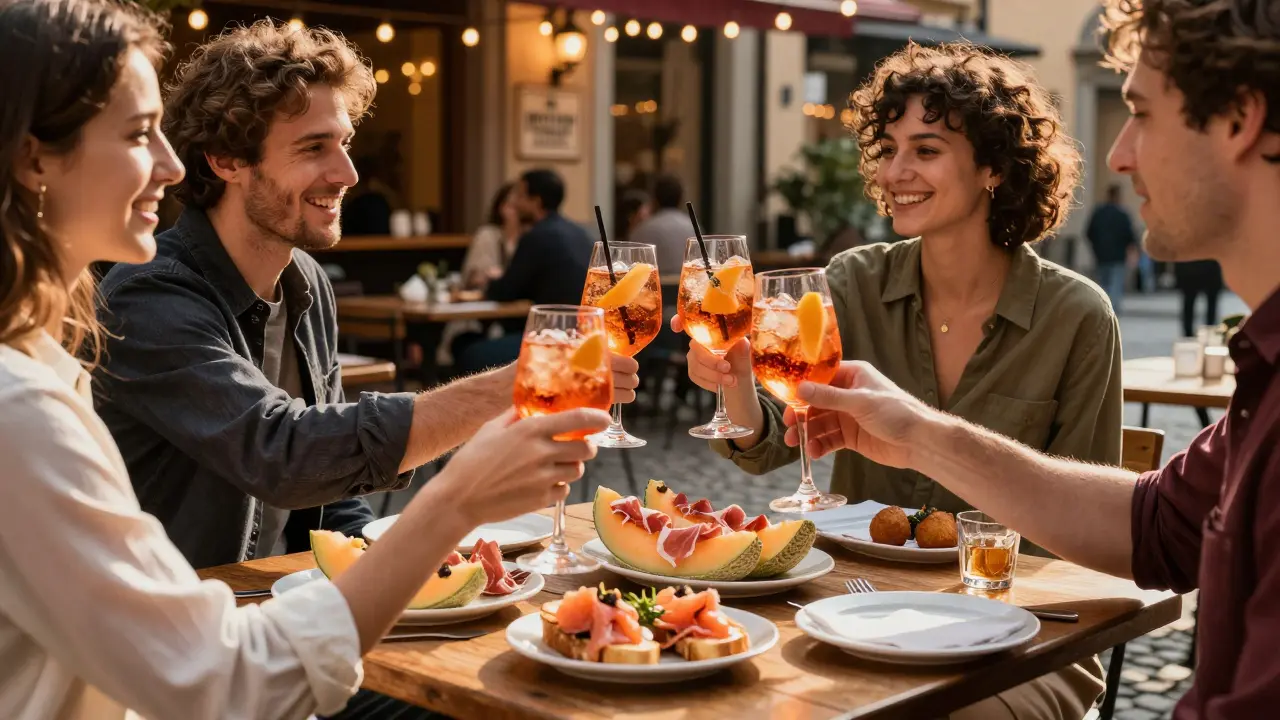
When the sun sets in Milan, the city doesn’t sleep-it transforms.
Forget what you think you know about Italian nightlife. Milan isn’t just about fashion shows and espresso. By 10 p.m., the streets of Brera, Navigli, and Porta Romana come alive with music, laughter, and the clink of glasses. This isn’t a tourist trap scene. It’s where locals go after work, where expats find their rhythm, and where visitors stumble into unforgettable nights. If you’re looking for real Milan nightlife, not the postcard version, this guide shows you where to go, what to drink, and when to show up.
Aperitivo isn’t just a drink-it’s a ritual
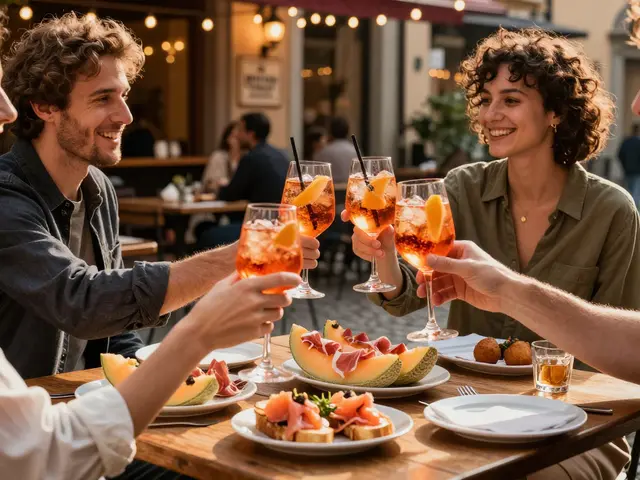
Start your night the Italian way: with Aperitivo. Between 6 and 9 p.m., bars across Milan offer a drink (usually a spritz, negroni, or prosecco) with a full buffet of snacks. This isn’t a happy hour with pretzels. This is prosciutto-wrapped melon, truffle arancini, smoked salmon crostini, and warm potato croquettes-free with your drink. The best spots? Bar Basso in the city center is where the Negroni was invented in 1919. You’ll wait in line, but it’s worth it. La Bitta in Brera offers a more relaxed vibe with local wines and artisanal cheeses. And if you want to see how Milanese professionals unwind, head to Il Baretto near Piazza San Babila. They serve 20 different aperitivo cocktails, and the crowd is all suits and silk scarves.
Navigli: Canals, cocktails, and late-night beats
By 11 p.m., the real party starts in Navigli. This district, built around two historic canals, feels like a cross between a Parisian bistro strip and a Brooklyn warehouse party. The canals are lined with outdoor terraces, live music, and DJs spinning everything from jazz to techno. La Bicicletta is a must-open until 3 a.m., it’s got a backyard garden, craft cocktails, and a crowd that doesn’t care if you’re dressed up or in jeans. Bar Luce, designed by Wes Anderson, is Instagram-famous but still real. Order a Campari soda, sit by the water, and watch the night unfold. On weekends, Le Bicocca turns into a dance club with a local crowd that’s been coming for 15 years. No bouncers, no VIP sections, just good music and people who know how to move.
Brera: Where art meets after-dark
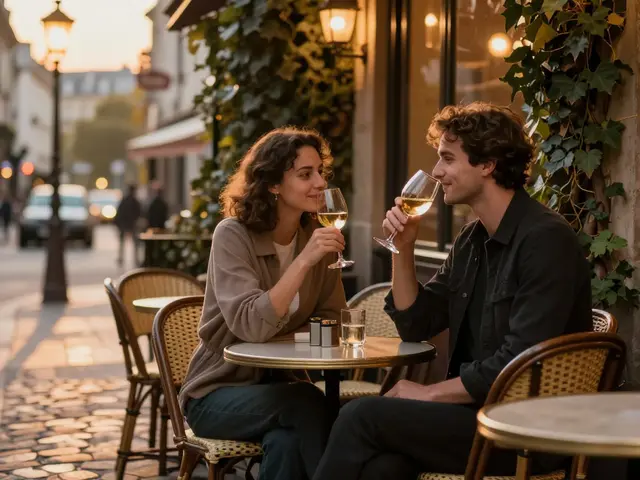
Brera is Milan’s bohemian heart. Narrow streets, cobblestones, and centuries-old buildings make it feel like a secret. By night, it’s full of intimate wine bars and jazz lounges. Bar del Fico is tucked into a courtyard and feels like a hidden speakeasy. Their natural wines change weekly, and the owner will tell you the story behind each bottle. La Sala is a tiny jazz club with no sign, just a red door. You need to know to go, but once you’re inside, you’ll hear live piano and saxophone until 2 a.m. It’s not loud-it’s deep. And if you’re into cocktails with a twist, Bar del Teatro serves drinks inspired by Milanese literature. Try the ‘Dante’s Fall’-a bitter orange and gin blend with a smoked rosemary garnish.

Porta Romana: Underground beats and hidden clubs
If you want something darker, louder, and less touristy, head to Porta Romana. This is where Milan’s underground scene lives. Teatro del Silenzio is a converted theater with no windows, industrial lighting, and a sound system that shakes your chest. It’s open only on Fridays and Saturdays, and the lineup features international techno and house DJs you won’t find anywhere else in Italy. Le Basse is a warehouse-turned-club with a raw, gritty feel. The music is experimental-noise, ambient, industrial-but the crowd is loyal. You won’t see any logos on shirts here. People come for the sound, not the vibe. And if you’re lucky, you’ll catch La Fonderia’s monthly art party, where DJs play while local artists paint live on canvas.
What to drink-and what to skip
Milanese nightlife is about quality, not quantity. Skip the vodka shots and energy drinks. Instead, stick to the classics: Aperol Spritz (bitter, sweet, fizzy), Negroni (equal parts gin, Campari, vermouth), and Prosecco from the Veneto region. If you’re feeling adventurous, try a Campari Soda with a twist of orange. It’s simple, refreshing, and the go-to drink for locals after work. Avoid places that charge €15 for a drink with no food. That’s not Aperitivo-that’s a rip-off. Real spots include at least three snacks with your drink. And if a bar calls itself a ‘cocktail lounge’ but has no menu, walk away. Good bars in Milan know their ingredients.
When to go-and when to avoid
Timing matters. Don’t show up at 9 p.m. expecting a packed club. Milan’s nightlife starts late. Bars fill up after 10, clubs after midnight. The best nights? Friday and Saturday. Sunday is quiet-most places close by 2 a.m. Avoid Wednesday and Thursday unless you’re looking for a quiet drink. Also, skip the area around Duomo after 11 p.m. It’s full of overpriced tourist bars and pickpockets. Stick to the districts mentioned above. And remember: Milanese people dress well, even at 2 a.m. You don’t need a suit, but jeans and a nice shirt beat sneakers and a hoodie.

How to get around safely
Milan’s metro runs until 1:30 a.m. on weekends. After that, take a taxi or ride-share. Uber isn’t big here-use FreeNow or Bolt. Walking is fine in Brera and Navigli, but avoid empty streets in Porta Romana after 2 a.m. Most clubs are within walking distance of each other, so plan your night in one district. Don’t try to hit five spots in one night. You’ll end up exhausted and disappointed.
What makes Milan’s nightlife different
It’s not about flashing lights or bottle service. It’s about connection. People here stay for hours. They talk. They laugh. They argue about football or art. You won’t find bouncers turning people away for not wearing the right shoes. You’ll find a bartender who remembers your name after two visits. That’s the real Milan. It’s not a party. It’s a lifestyle.
What’s the best time to start a night out in Milan?
Start with Aperitivo between 6 and 8 p.m. Then move to a bar around 9:30 p.m. Clubs don’t fill up until after midnight. The real energy kicks in between 1 a.m. and 3 a.m., especially in Navigli and Porta Romana.
Do I need to dress up for Milan nightlife?
You don’t need a tuxedo, but you should look put-together. Milanese people take pride in their style. Jeans and a clean shirt, a nice dress, or a tailored jacket work. Avoid sportswear, flip-flops, or overly casual outfits-especially in Brera and upscale bars. In underground clubs like Le Basse, it’s more relaxed, but even there, no gym clothes.
Is Milan nightlife expensive?
Aperitivo costs €10-15 and includes food. Cocktails range from €12 to €18. Club entry is usually free before midnight, then €5-10 after. You can have a full night out for under €40 if you stick to local spots. Tourist bars near the Duomo charge double for the same drink.
Are there any quiet spots for drinks in Milan?
Yes. Bar del Fico in Brera is perfect for a slow evening with natural wines. La Sala is a jazz bar with no loud music. Caffè Cova near the Galleria offers classic cocktails in a 19th-century setting. These places stay open late but keep the volume low and the vibe calm.
Can I find English-speaking staff in Milan nightspots?
In tourist-heavy areas like Navigli, yes. But in places like Bar Basso, Teatro del Silenzio, or La Sala, staff speak Italian. Don’t worry-most know basic English. Learn a few phrases like “Un Aperol Spritz, per favore” or “Quanto costa?” It goes a long way. The experience is better when you engage, not just order.
Final tip: Go slow, stay local
Don’t try to cram everything into one night. Pick one district. Stay there. Talk to the bartender. Ask what’s new. Let the night unfold. Milan’s nightlife isn’t a checklist. It’s a feeling you find when you stop looking for the hottest spot and start looking for the right moment.