Paris isn’t just about the Eiffel Tower and croissants at sunrise. By midnight, the city sheds its postcard image and transforms into something wilder, weirder, and way more real. Forget the crowded bars near Montmartre or the overpriced champagne lounges in Saint-Germain. The real Paris nightlife lives in basements, behind unmarked doors, and down alleyways where the music is loud, the drinks are cheap, and the crowd doesn’t care if you’re a tourist.
Le Perchoir - The Rooftop Secret
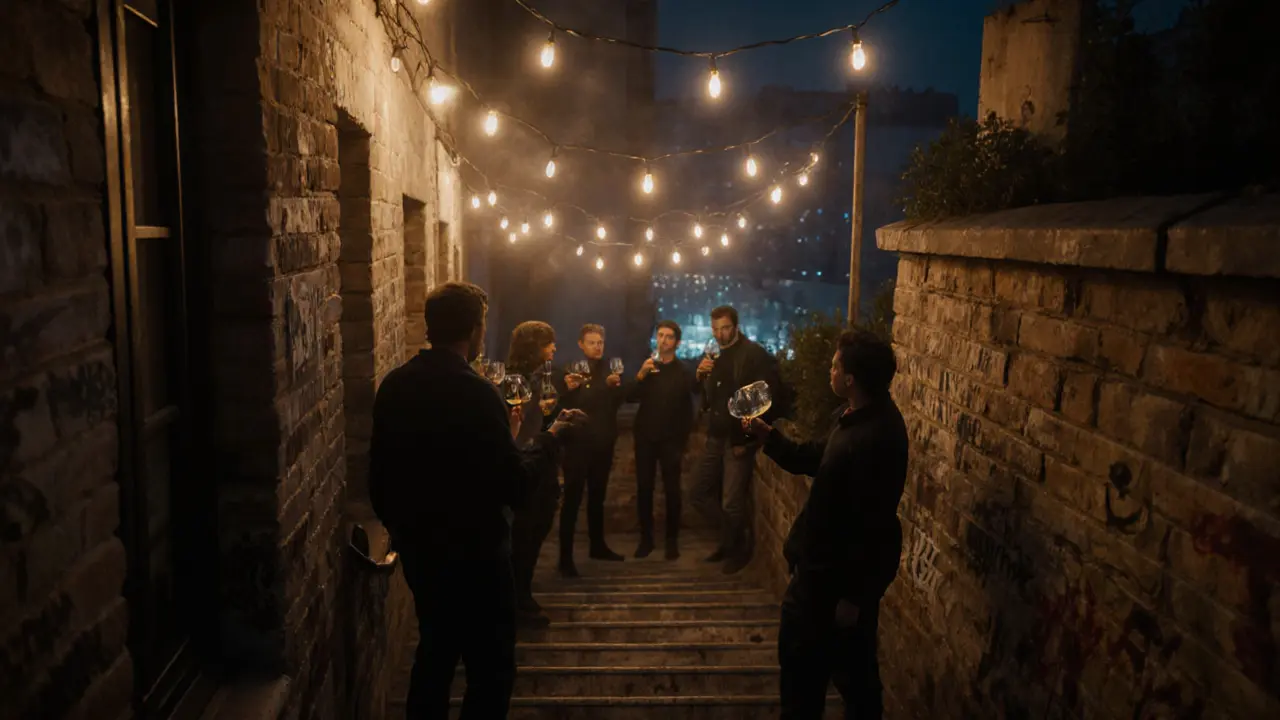
Most people think of Le Perchoir as just another trendy bar with a view. But there’s a reason locals whisper about it. There are actually three locations-Marais, Saint-Germain, and Rue de la Roquette-and only the last one feels truly underground. The Rue de la Roquette spot is tucked into a 19th-century building with no sign, just a narrow staircase that leads up to a rooftop garden strung with fairy lights. You’ll find artists, jazz musicians, and students from the Sorbonne sipping natural wine from recycled glass bottles. The playlist? Think 90s French indie mixed with rare Afrobeat cuts. No bouncers. No dress code. Just a small group of people who know the rules: no photos, no loud talking, and always tip the bartender. It opens at 8 p.m. but doesn’t really come alive until after 1 a.m.
La Chambre aux Oiseaux - The Hidden Speakeasy
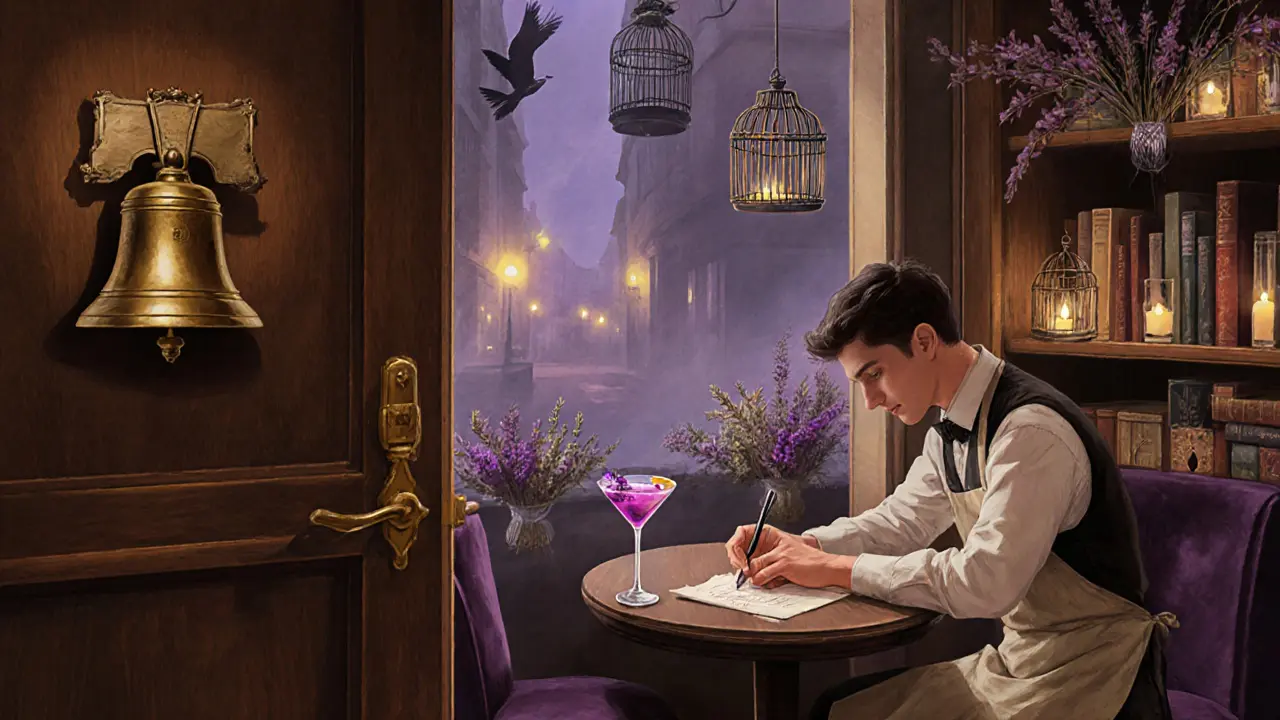
Walk past the flower shop on Rue des Martyrs in the 18th arrondissement, and you’ll see a door with a brass bell. Ring it. If someone answers with a nod, you’re in. La Chambre aux Oiseaux is a 12-seat cocktail bar disguised as a private apartment. The walls are lined with birdcages (hence the name), and every drink is served with a handwritten note explaining its ingredients. The bartender, Sophie, has been mixing here since 2017 and only uses seasonal fruits, home-infused spirits, and herbs from her balcony garden. A cocktail costs €18, but it’s not just a drink-it’s a 45-minute experience. You’ll taste bergamot, violet syrup, and smoked sea salt in one glass. Reservations are required, and they only take them via Instagram DM. No website. No phone. No tourists who show up without knowing what they’re looking for.
Le Baron - The Underground Club with a Reputation
Le Baron has been around since 2005, and it still feels like a secret. Tucked under a parking garage in the 11th arrondissement, the entrance is marked by a red door and a single speaker playing low bass. Inside, the walls are covered in graffiti from visiting artists, and the dance floor is always packed with people who don’t care about fame-they’re here for the music. The DJs don’t play Top 40. They spin raw techno, post-punk remixes, and forgotten French disco from the 80s. The bar serves only beer, red wine, and absinthe. No cocktails. No neon. No VIP section. The crowd? Designers from Belleville, students from École des Beaux-Arts, and expats who’ve lived here longer than they’ve lived anywhere else. Cover is €10 on weekdays, €15 on weekends. Cash only. And if you’re wearing a suit, you’re probably not getting in.
La Bellevilloise - The Cultural Hideout
Don’t let the name fool you. La Bellevilloise looks like a community center from the outside, but inside it’s one of the most vital underground spaces in Paris. It started as a workers’ club in the 1800s and now hosts everything from punk gigs to silent disco nights. The basement bar, called Le Bar de la Bellevilloise, opens at 10 p.m. and serves €4 bottles of local beer. On Fridays, they turn the main hall into a dance club with no logo, no posters, and no online schedule-you have to follow their Instagram account to know when the next event is. The music ranges from experimental electronic to Moroccan gnawa fusion. The crowd is mixed: retirees who still dance like they’re 20, queer collectives, and young producers testing new tracks. It’s the only place in Paris where you can watch a live set by a rising artist and then buy their self-released vinyl at the end of the night.
Le Comptoir Général - The Jungle Bar
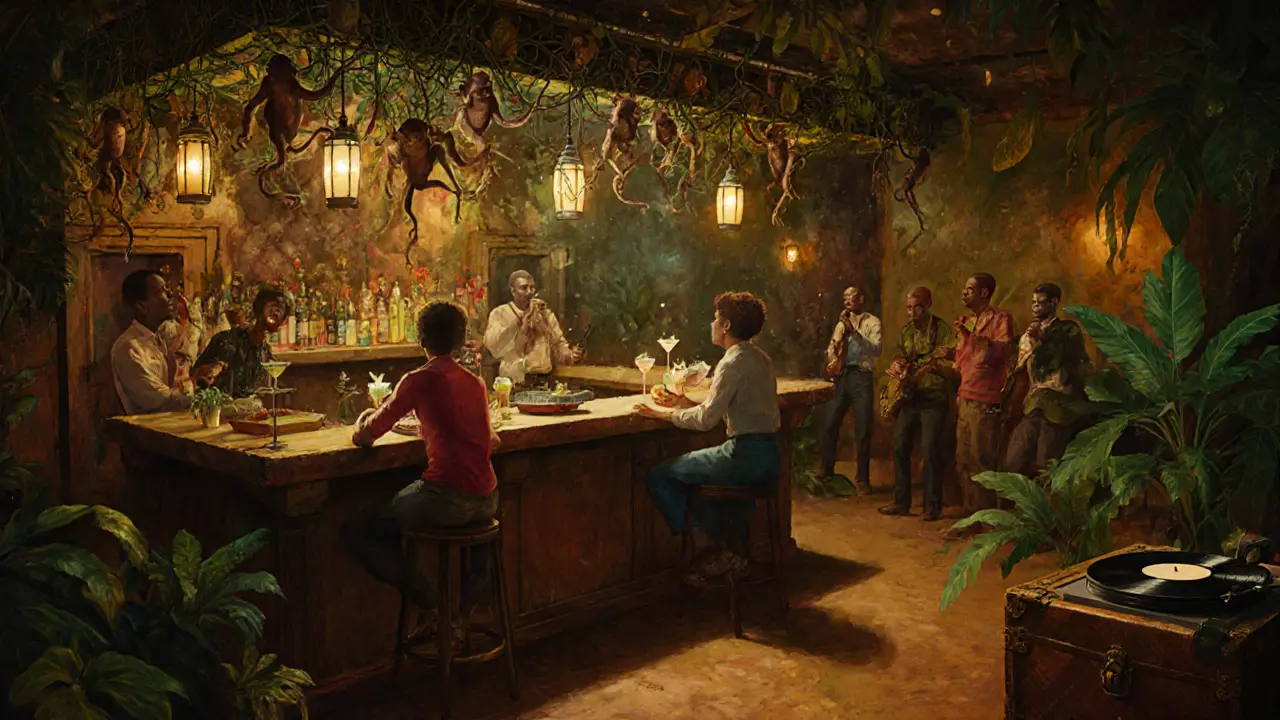
Step through a wooden gate in the 10th arrondissement, and you’re no longer in Paris. You’re in a converted 19th-century warehouse turned into a surreal jungle bar. Vines hang from the ceiling, monkeys made of wire dangle from the rafters, and the bar counter is made from an old piano. The drinks are named after African myths-try the "Sankofa" (gin, hibiscus, bitter orange) or the "Yoruba Mule" (rum, ginger, tamarind). There’s no menu. You tell the bartender your mood, and they make you something. The space doubles as a cultural center: during the day, it hosts art exhibits and poetry readings. At night, it turns into a party with live Afro-funk bands and DJs spinning vinyl from Lagos, Dakar, and Kinshasa. It’s not hidden per se-it’s just not for everyone. You won’t find Instagram influencers here. You’ll find people who came because they heard about it from a friend who heard about it from someone else.
La Machine du Moulin Rouge - The Forgotten Speakeasy
Beneath the famous Moulin Rouge, there’s a secret entrance no map shows. Take the narrow stairway behind the gift shop, knock three times, and wait. If you’re let in, you’ve found La Machine du Moulin Rouge. This is a 30-seat jazz club that only opens on Tuesday and Thursday nights. The owner, Jean-Luc, used to play trumpet in the 1970s and still performs here when he’s not behind the bar. The sound system is vintage-no digital EQ, no auto-tune. Just a single microphone, a double bass, and a drum kit that’s been here since 1952. The crowd? Mostly French jazz purists who’ve been coming for 20 years. No one claps between songs. Everyone listens. Drinks are served in old-fashioned glasses. The wine is from the Loire Valley. The whiskey is single malt, straight from Scotland. It’s quiet. It’s intimate. And it’s the only place in Paris where you can hear a trumpet solo that makes you cry without knowing why.
Why These Places Still Exist
Paris has changed. Rent is sky-high. Chains are taking over. But these spots survive because they’re not businesses-they’re communities. They don’t advertise. They don’t need to. Their reputation is built on word of mouth, trust, and consistency. You won’t find them on Google Maps unless you know exactly what to search for. You won’t see them on TikTok. And you definitely won’t find them in the tourist guides.
The people who run them don’t want to be famous. They want to keep the space alive. They want to protect the music, the silence, the weirdness. And if you’re lucky enough to find one, you’re not just visiting a bar-you’re being invited into a secret that’s been passed down for years.
What to Bring (and What to Leave Behind)
- Bring: Cash. Many of these places don’t take cards. A sense of curiosity. A willingness to wait. And a phone set to silent.
- Leave Behind: Your camera. No one wants their night turned into a social media post. Your expectations. These places don’t cater to tourists. Your need to be seen. This isn’t about Instagram likes. It’s about being present.
When to Go
Most of these spots don’t open until 10 p.m. or later. The real energy starts after midnight. Weeknights are better if you want space and authenticity. Weekends are packed-but the crowd is more diverse. Don’t show up before 11 p.m. unless you’re told otherwise. And don’t leave before 2 a.m. That’s when the magic happens.
Final Tip: The Rule of Three
If you want to find the real underground scene in Paris, follow this: Ask three locals-someone who works in a café, someone who works in a bookstore, someone who works in a laundromat. If they all give you the same name, you’ve found it. If they hesitate, or laugh, or say "you’re not ready for that," you’re getting close.
Are these underground spots safe?
Yes, but only if you respect the space. These places are safe because they’re tightly curated. The crowd knows each other. The owners know who’s coming in. Violence is rare. But if you act like a tourist-taking photos, shouting, demanding service-you’ll stand out. And that’s when problems start. Keep it quiet, be polite, and you’ll be fine.
Do I need to make reservations?
Some do, some don’t. La Chambre aux Oiseaux and Le Baron require reservations, usually through Instagram or word of mouth. Le Perchoir and La Bellevilloise are first-come, first-served. If a place doesn’t have a website or phone number, that’s normal. Don’t call. Don’t email. Just show up after 11 p.m. and wait your turn.
Can I visit these places if I don’t speak French?
Yes, but you’ll have a better time if you learn a few phrases. "Merci," "S’il vous plaît," and "C’est bon" go a long way. Most staff speak some English, but they don’t expect you to. The music, the vibe, the drinks-they speak louder than words. Don’t worry about talking. Just listen.
What’s the dress code?
There isn’t one. No one cares if you’re wearing jeans or a dress. But if you show up in a suit, a tourist T-shirt, or flip-flops, you’ll stand out. Aim for dark, simple, comfortable clothes. Think Parisian cool: black, wool, leather, boots. No logos. No brand names. The goal is to blend in, not to impress.
Why don’t these places have websites or social media?
Because they don’t want to be found by everyone. Social media turns secrets into trends. Trends turn places into tourist traps. These spots survive because they’re small, slow, and selective. If you’re meant to find them, you will. If you’re looking for a place to post a selfie, go somewhere else.
If you’re looking for Paris after dark, skip the guidebooks. Walk down the quiet streets. Look for the doors that don’t have signs. Listen for the music that doesn’t come from speakers. The city is still full of hidden corners-and the people who keep them alive are waiting for you to show up.