Most tourists walk the same streets in Paris-Eiffel Tower, Louvre, Notre-Dame. They snap the same photos, eat the same croissants, and leave with the same memories. But what if you could see the city the way someone who’s lived there for decades does? Not as a checklist, but as a living, breathing place with quiet courtyards, secret gardens, and cafés where the barista knows your name by the third visit?
Forget the Tourist Traps-Here’s Where Locals Go
The real Paris isn’t found in guidebooks. It’s tucked behind unmarked doors, down narrow alleys in the 11th arrondissement, or tucked into the back of a 19th-century building near Place des Vosges. One such spot is Le Comptoir Général in the 10th. What looks like an abandoned warehouse from the outside is actually a hybrid bar, museum, and bookstore filled with African artifacts, vintage maps, and live jazz on weekends. No signs. No menus. You just walk in, and someone hands you a drink and points to a cushion on the floor. It’s not marketed. It’s not Instagrammed. It just is.
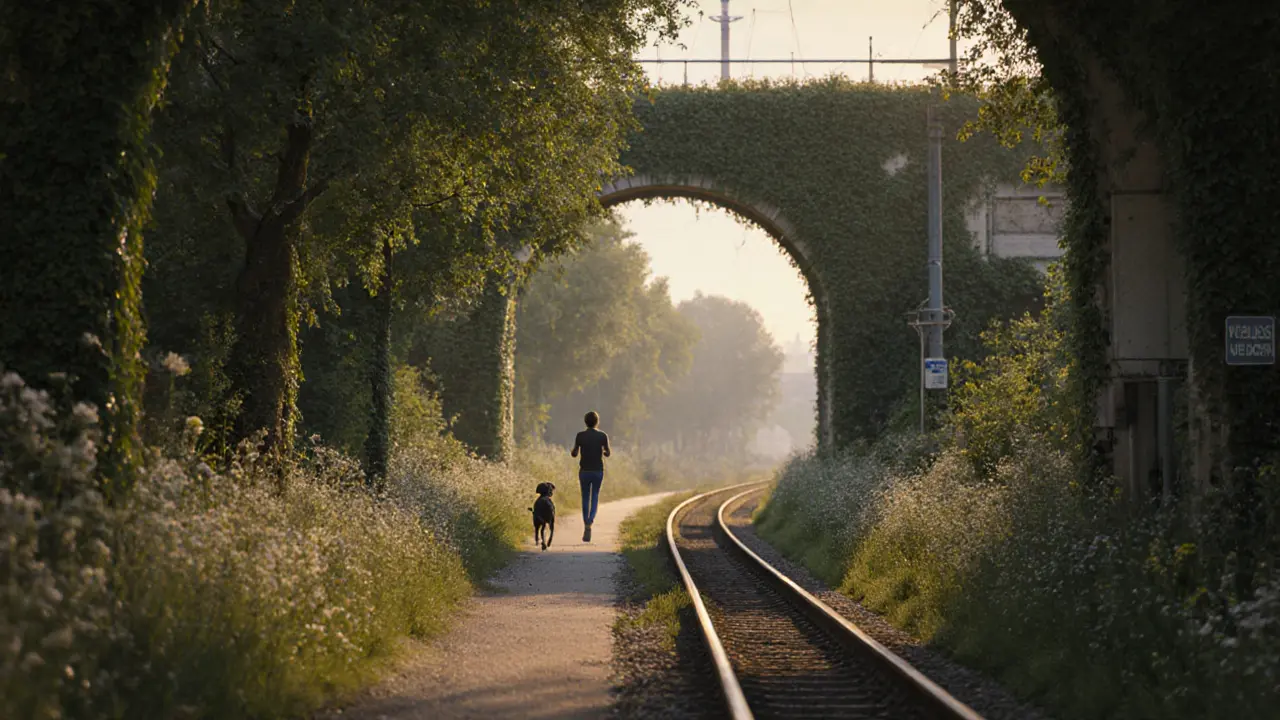
Then there’s La Petite Ceinture, a disused railway line that circles the city. Once used to transport goods and people, it’s now a 32-kilometer green corridor overgrown with wildflowers, graffiti art, and forgotten train stations. Locals jog here at dawn, read under the arches, or bring their dogs to explore. You can enter near Porte de Vanves or Porte d’Auteuil. No tickets. No crowds. Just silence and the wind rustling through the ivy.
Where to Eat Like a Parisian-Not a Tourist
Most visitors eat at brasseries that charge €22 for a basic salad. But if you want real French food, you go where the locals do: small, family-run bistros with handwritten menus and no English translations. In the 13th arrondissement, Le Petit Bistrot serves duck confit with caramelized pears for €16. The owner, Marie, has worked there since 1987. She doesn’t take reservations. You show up at 7 p.m., stand at the counter, and she’ll slide you a plate and a glass of Beaujolais without asking. No one speaks English. You don’t need to.
Another hidden spot: Marché d’Aligre, a market in the 12th. It’s not the fancy food halls tourists flock to. This is where Parisians buy their cheese, bread, and wine for the week. On Saturday mornings, the butchers carve charcuterie right in front of you. The fishmonger sells sardines caught off Normandy that morning. And in the corner, an old woman sells homemade tarts for €3. You eat them standing up, with your hands, while listening to two grandmothers argue about the best way to make ratatouille.

The Parks No One Tells You About
Everyone knows the Luxembourg Gardens. But few know about Jardin des Plantes’ hidden greenhouse. Inside, you’ll find a tropical rainforest with orchids, waterfalls, and a colony of free-roaming turtles. It’s free. It’s quiet. And you’ll likely have it to yourself on a weekday afternoon.
Then there’s Parc des Buttes-Chaumont in the 19th. It looks like a Swiss alpine village dropped into the middle of Paris. Cliffs, waterfalls, a temple perched on a rocky island-this place was built in 1867 on top of a former quarry. Locals come here to smoke, sketch, or just sit on the benches and watch the clouds drift over the water. No tour buses. No selfie sticks. Just the sound of church bells from a nearby chapel.
How a Local Guide Changes Everything
Having someone who knows the city intimately makes all the difference. A good local guide doesn’t just show you places-they tell you why they matter. They’ll take you to a tiny bookshop in Montmartre where the owner still writes handwritten recommendations in the margins of every book. They’ll know which bakery makes the best pain au chocolat before 8 a.m., and which boulangerie closes on Tuesdays (so you don’t waste your morning). They’ll warn you about the pickpockets near Sacré-Cœur, and show you the best spot to watch the sunset over the Seine without the crowds.
It’s not about luxury. It’s about access. Access to places that don’t appear on Google Maps. Access to stories that aren’t in guidebooks. Access to moments that feel personal, not performative.

What to Look for in a Local Guide
Not everyone calling themselves a “local guide” actually is. Some are just tour operators with fancy websites. Here’s what to look for:
- They live in Paris-not just work there. Ask where they grew up or which metro line they take daily.
- No fixed itineraries. A real guide adapts to your pace, interests, and mood. If you want to spend three hours in a single bookstore, they’ll say yes.
- No group tours. If they offer “private tours” but you see five other people, walk away.
- They don’t sell tickets. A good guide doesn’t make money from commissions. They charge for their time and knowledge.
One guide I’ve heard about from locals is named Élodie. She’s a former art historian who started guiding after her father passed away. He used to take her to the same hidden spots every Sunday. Now she does the same for others. She doesn’t have a website. You find her through word of mouth. She charges €60 for four hours. Cash only. No photos allowed in the church crypts she takes you to. That’s the kind of guide who makes Paris feel alive.
Why This Matters
Paris isn’t a postcard. It’s a city of contradictions-old and new, quiet and loud, exclusive and deeply welcoming. The hidden gems aren’t just places. They’re connections. To history. To culture. To people who’ve lived here longer than you’ve been alive.
When you leave Paris, you’ll remember more than the Eiffel Tower. You’ll remember the smell of fresh bread from a bakery you didn’t know existed. The sound of a violin playing in a courtyard at dusk. The way a stranger handed you a slice of apple tart because you looked tired.
Those moments don’t come from booking a tour. They come from walking with someone who knows the city’s heartbeat-and letting them lead you to where it’s still beating strong.
Is it safe to hire a local guide in Paris?
Yes, if you take basic precautions. Look for guides recommended by locals or through trusted platforms like WithLocals or ToursByLocals. Avoid anyone who approaches you on the street offering “special deals.” Reputable guides will have verified profiles, clear pricing, and no pressure to book. Many are former teachers, artists, or historians who guide part-time. They’re not tour operators-they’re neighbors.
How much should I pay a local guide in Paris?
A fair rate is €50-€80 per hour for a private, personalized tour. Anything under €40 usually means you’re getting a generic script. Anything over €100 is often inflated for tourists. The best guides charge by the hour, not by the attraction. They don’t get commissions from shops or museums. You’re paying for their knowledge, not a ticket.
Can I find a local guide without booking in advance?
It’s possible, but risky. Some guides hang out near popular metro stations like Saint-Germain-des-Prés or Montmartre, but many prefer to be booked ahead. The most authentic guides-like Élodie or Jean-Luc, who leads walking tours in the 14th-don’t advertise. They rely on word of mouth. If you want to find one, ask at independent bookshops, cafés with chalkboard menus, or small galleries. Say you’re looking for someone who knows the real Paris. You’ll get pointed in the right direction.
What’s the best time of year to explore hidden Paris?
Late spring (May-June) and early fall (September-October) are ideal. The weather is mild, the crowds are thin, and the city feels relaxed. Avoid July and August-many locals leave, and the city becomes a tourist zoo. Winter (November-February) has its own magic: fog over the Seine, empty parks, and warm wine at corner cafés. But some hidden spots, like La Petite Ceinture, may be closed for maintenance in winter.
Do I need to speak French to enjoy a local guide experience?
No, but it helps. Most reputable guides speak fluent English. But part of the charm is being in spaces where French is spoken naturally-markets, bakeries, small libraries. A good guide will help you navigate those moments, translate small interactions, and teach you a few phrases. You don’t need to be fluent. You just need to be curious.
If you’re planning your next trip to Paris, skip the big attractions for a day. Find a quiet corner. Talk to someone who’s lived here longer than you’ve been alive. Let them show you the city they love-not the one they’re paid to sell.