Paris isn’t just about croissants and the Eiffel Tower. If you’ve ever danced to a driving conga line under dim red lights, you know Latin music doesn’t need a tropical beach to come alive. In Paris, salsa and Latin nightlife thrive in hidden basements, converted warehouses, and cozy neighborhood bars that stay open until 3 a.m. This isn’t tourist theater-it’s real, sweaty, passionate dancing by locals and expats who’ve made it part of their weekly rhythm.
La Cigale: Where the Pulse of Latin Paris Begins
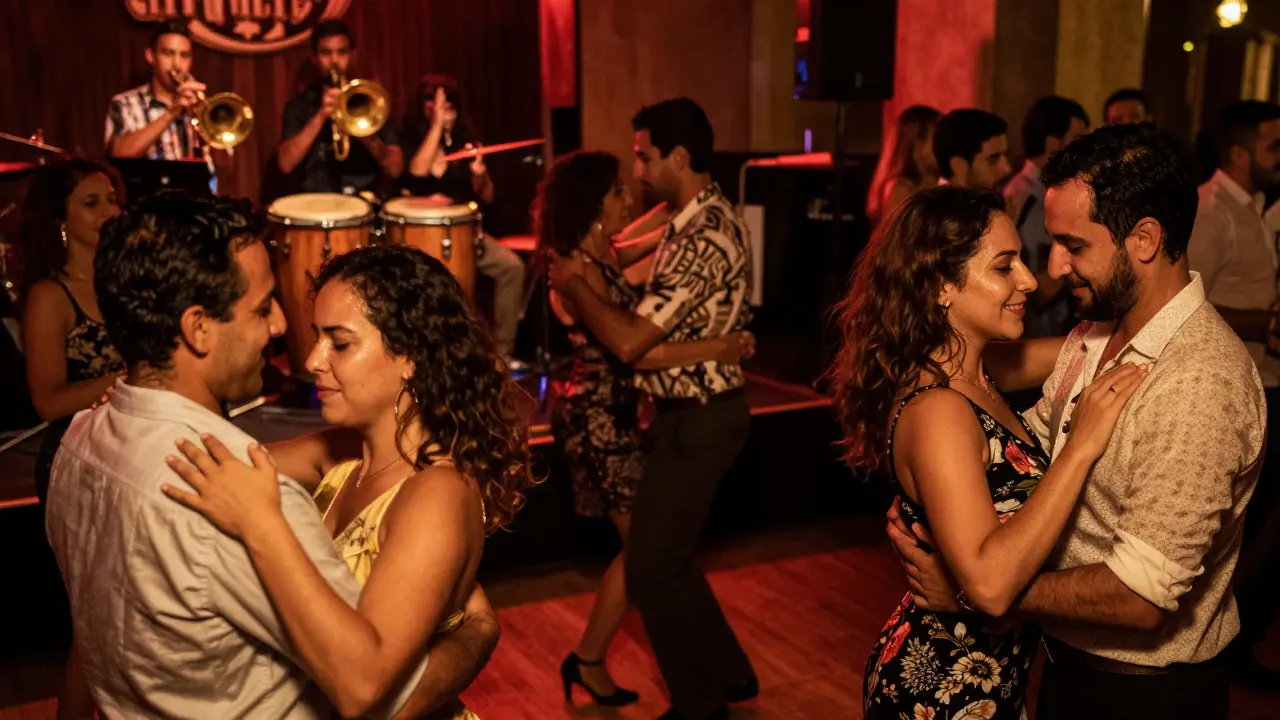
La Cigale, tucked into the 18th arrondissement near Place de Clichy, isn’t a tiny basement club-it’s a full-blown concert hall that turns into a salsa powerhouse every Thursday night. The crowd here is mixed: French students in vintage shirts, Colombian couples who’ve lived here for 20 years, and travelers who found the flyer on Instagram. The band plays live every week, and the lead singer often steps off the stage to dance with the crowd. You won’t find a DJ spinning pre-recorded tracks here. Instead, you get brass sections, timbales, and a bassline that makes your chest vibrate. The floor gets packed by 10 p.m., and by midnight, it’s a swirling sea of arms, skirts, and flying heels. No cover before 11 p.m., but once the music hits, you’ll understand why people wait in line.
Le Petit Bain: Riverfront Rhythms and Open-Air Vibes
Perched on the Seine’s left bank near the Gare d’Austerlitz, Le Petit Bain is a converted barge that turns into a Latin party boat every Friday and Saturday. The space is open-air on one side, with string lights and wooden decks. During summer, you dance with the river breeze in your hair. In winter, they crank up the heaters and keep the energy high. The music shifts from salsa to bachata to Afro-Cuban grooves, all curated by DJs who actually know the difference between a mambo and a son montuno. The crowd here is younger, trendier, and more international. You’ll see people from Brazil, Senegal, Spain, and Japan all moving in sync. They don’t teach classes here, but you’ll learn just by watching. The drink menu is simple: mojitos, rum punch, and cold Mexican beer. No fancy cocktails-just enough to loosen up and let go.
La Clandestine: The Underground Gem No Tourist Guide Mentions
If you want to feel like you’ve stumbled into a secret, head to La Clandestine in the 11th arrondissement. There’s no sign. You find it by following the bass. It’s behind a nondescript door, down a narrow stairwell, past a bouncer who nods if you’re dressed right. Inside, it’s dark, warm, and packed with people who’ve been coming for years. The music is pure Cuban son and Colombian cumbia, played on vinyl by a DJ who owns over 5,000 records. The dance floor is small, so you learn to move close. There’s no space for big spins or flashy moves-just connection, timing, and feeling the beat. You won’t find a menu here. Just a bar with a single bottle of rum and a glass of water. The vibe? Like a living room where everyone’s family. Locals call it the soul of Parisian salsa. If you’re serious about dancing, this is where you come to grow.

La Maroquinerie: The Best Place for Beginners to Learn and Dance
La Maroquinerie, near the Canal Saint-Martin, is the only place in Paris that offers free salsa lessons every Wednesday night before the party starts. At 8 p.m., the lights dim, the instructor steps up, and within 30 minutes, even the most nervous newcomers are holding hands and stepping side to side. The teachers are all professional dancers from Colombia, Cuba, and Puerto Rico. They don’t use fancy terms-just “step on one, step on two,” and “lead with your chest.” After the lesson, the music turns up, and the same floor becomes a dance floor for everyone. You’ll see couples who’ve been coming for five years, and people who showed up last week and are already dancing with confidence. The crowd here is welcoming. No one laughs if you mess up. Everyone claps if you try. If you’ve never danced salsa before, this is your launchpad.
Le Trabendo: Jazz Meets Salsa in the Heart of the 10th
Le Trabendo is a jazz club that doubles as a Latin dance haven every Thursday. It’s the kind of place where the same band might play a Miles Davis tune at 9 p.m. and switch to a cha-cha by 11. The mix of genres works because the musicians understand rhythm like poets understand rhyme. The crowd here is older, smarter, and more patient. You’ll see people in suits and scarves swaying, not just stomping. The dance floor is wider here, so you can experiment with more complex patterns. The sound system is top-tier-every cowbell, every guiro, every piano run is crystal clear. If you like your salsa with a touch of sophistication and a lot of soul, this is your spot. They don’t advertise it as a salsa night, but if you’re listening, you’ll hear it.

What to Wear, When to Arrive, and What to Avoid
Parisians dress for the night, not for the club. You won’t see flip-flops or hoodies at these places. For men: dark jeans, a button-down shirt, and clean shoes. For women: a dress or fitted top with heels or flats you can dance in. No sneakers unless you’re at La Maroquinerie on a lesson night. Arrive early if you want a good spot-especially at La Cigale and Le Petit Bain. The music doesn’t start until 10:30, but the crowd shows up by 9:30. Don’t expect English-speaking staff. Most of the DJs and dancers speak French, Spanish, or Portuguese. But you don’t need to speak to dance. The rhythm speaks for itself.
Avoid places that call themselves “Salsa Paris” with neon signs and tourist menus. If the menu has mojitos for €15 and the band is playing a karaoke version of “Vivir Mi Vida,” you’re in a trap. Real Latin nightlife in Paris doesn’t need to shout. It whispers, and if you listen, you’ll find it.
When the Night Ends
Parisian Latin nights don’t end at midnight. They end when the last person stops moving. At La Clandestine, that’s often 3 a.m. At Le Petit Bain, it’s when the sun comes up over the Seine. Most places don’t close until 3:30 a.m., and the metro runs until 2 a.m. After that, you’ll find taxis lined up outside, or people walking back to the Marais, laughing, still tapping their feet. If you’ve danced here once, you’ll come back. Not because it’s trendy. Not because it’s Instagrammable. But because in a city full of silence and order, these places let you lose yourself in rhythm-and that’s rare.
Is salsa dancing popular in Paris?
Yes. Paris has one of the largest and most active salsa communities in Europe, with over 20 regular dance nights each week. The city hosts multiple Latin festivals annually, including the Paris Salsa Congress, which draws dancers from across the continent. Local clubs like La Maroquinerie and La Clandestine have been running weekly events for over a decade, and many instructors are trained in Cuba and Colombia.
Do I need to know how to dance to go to these clubs?
No. Places like La Maroquinerie offer free beginner lessons before the dance starts. Even at clubs like La Cigale or Le Petit Bain, no one expects you to be an expert. Most people are there to have fun, not to perform. If you can count to eight and move your feet, you can join in. The best way to learn is to watch, follow the rhythm, and don’t overthink it.
Are these places safe for solo travelers?
Yes. These venues are known for being welcoming and respectful. The salsa community in Paris is tight-knit and values inclusion. Solo dancers-men and women-are common. Just use common sense: keep your belongings secure, don’t overdrink, and trust your gut. Most clubs have security, and the staff knows the regulars. You’ll likely leave with new friends, not just a dance partner.
What’s the best night to go for salsa in Paris?
Thursday nights are the most consistent across venues. La Cigale, Le Trabendo, and La Clandestine all have strong salsa nights on Thursday. Friday and Saturday are busier but more mixed-often blending salsa with bachata and reggaeton. If you want pure salsa, stick to Thursday. If you want variety and energy, go on the weekend.
How much does it cost to go out salsa dancing in Paris?
Most clubs charge €5-€10 cover, usually only after 11 p.m. Some, like La Maroquinerie, are free if you attend the lesson. Drinks range from €6 for a beer to €12 for a cocktail. You won’t find expensive bottle service here. It’s not a VIP scene-it’s a dance scene. Budget €20-€30 for the whole night, including a drink or two.