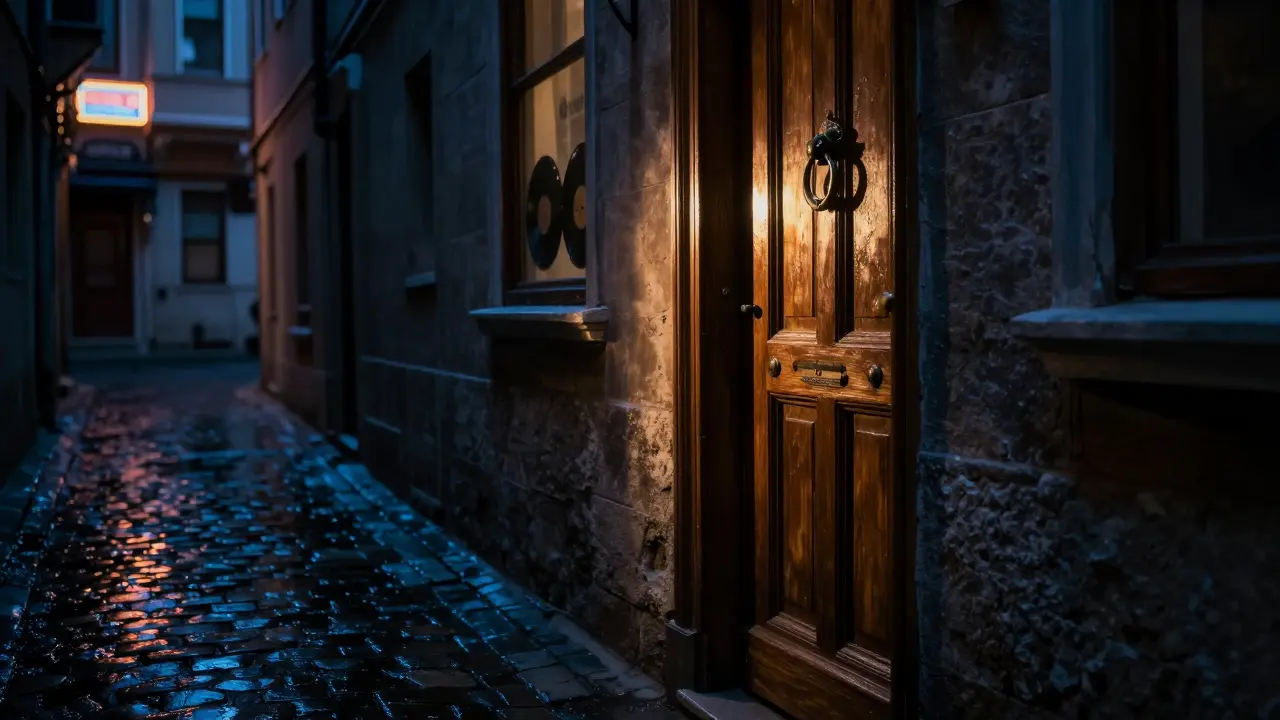
Most tourists in Istanbul stick to the same few spots after dark: the neon-lit streets of Istiklal Avenue, the crowded rooftop bars in Beyoğlu, or the tourist-heavy shisha lounges along the Bosphorus. But if you’ve been there before-or just want to skip the crowds-you’ll find a whole other city comes alive after midnight. The real Istanbul nightlife doesn’t advertise itself. It hides in alleyways, behind unmarked doors, and inside converted Ottoman warehouses. These are the places locals go when they want to forget they’re in a city of 16 million and just feel the pulse of the night.
Where the Locals Go When the Tourists Leave
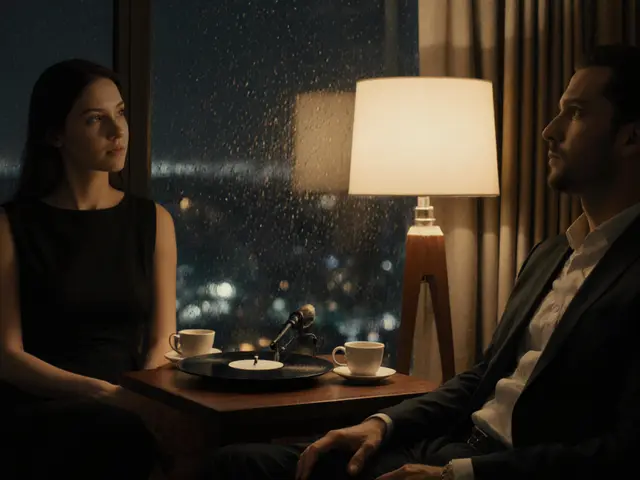
Start in the Karaköy district, but don’t head to the waterfront. Walk up the narrow stairs behind the old bank building on Bankalar Caddesi. There’s no sign, just a heavy wooden door with a brass knocker. Knock three times. If the door opens, you’re in Bar 1913. It’s been running since the 1970s, owned by the same family. The walls are lined with vinyl records from the 80s and 90s, and the bartender knows your name by your third drink. No menu. Just ask what’s fresh. Last month, it was a gin cocktail with wild thyme from the Black Sea coast and a splash of homemade pomegranate syrup. The music? Turkish jazz mixed with old Istanbul pop. No one dances. Everyone just leans back, sips, and listens.
Another hidden spot is Aslı’nın Yeri in the quiet neighborhood of Cihangir. It’s a tiny courtyard bar tucked behind a laundry shop. You’ll know it by the string of paper lanterns and the smell of grilled mackerel from the open kitchen. Locals come here for the ayran cocktails-salted yogurt shaken with mint and a hint of lemon. The owner, Aslı, doesn’t speak much English, but she’ll slide you a small plate of pickled turnips and tell you to try the house rakı. It’s distilled in the mountains near Samsun and tastes like anise and pine. No one comes here for the view. They come for the silence.
The Underground Music Hubs
Music is the heartbeat of Istanbul’s hidden nightlife. You won’t find EDM DJs in these places. Instead, you’ll hear ney flutes echoing through brick vaults or a single oud player improvising with a drummer who’s been playing since he was 12. In Kadıköy, head to Çiçek Pasajı after 11 p.m. Most tourists think it’s just a shopping arcade, but the back room opens into a basement venue called Mezarkabul. It’s not on any map. The entrance is behind a curtain of beads. The walls are painted with murals of ancient Anatolian gods. Bands here play traditional Turkish folk fused with post-punk. The crowd? Artists, students, and retired fishermen who still play bağlama on weekends.
Down in the Princes’ Islands, on Büyükada, there’s a speakeasy called Blue Door. You need a password to get in-ask for it at the ferry ticket booth. It’s a converted 19th-century mansion with no electricity except candles. The music is live acoustic jazz, played on a 1920s upright piano. The bartender pours single-origin Turkish coffee into tiny cups, then adds a drop of cardamom liqueur. It’s not a bar. It’s a ritual.

Secret Rooftops and Forgotten Terraces
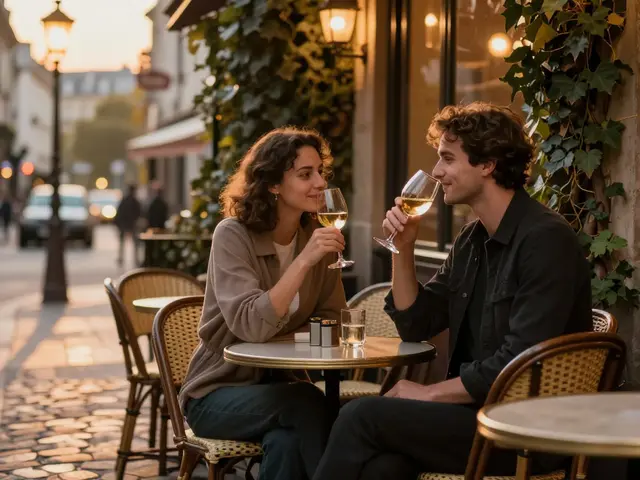
Everyone talks about the rooftop bars with Bosphorus views. But the real ones? They’re forgotten. In the old Greek neighborhood of Fener, there’s a rooftop terrace called Yıldızın Üstü-literally, “Above the Star.” It’s on the fifth floor of a crumbling apartment building. The owner, a retired sailor, built it himself with salvaged wood and old window frames. There’s no elevator. You climb five flights. The view? A sliver of the Golden Horn, the lights of Üsküdar, and the silhouette of the Maiden’s Tower. You order a glass of white wine from a local vineyard in Thrace. No cocktails. No ice. Just wine, silence, and the sound of distant church bells.
In the hills of Beşiktaş, there’s a hidden terrace called Dağın Üstü-“On the Mountain.” It’s not a bar. It’s a family’s backyard, opened to strangers once a week. You find it by following the smell of woodsmoke. A fire pit burns in the center. People bring their own bottles. Someone always has a guitar. The host, a retired professor of Ottoman history, serves homemade fig jam on flatbread. He’ll tell you stories about how the neighborhood used to be-before the chains moved in, before the Instagram influencers turned the Bosphorus into a photo backdrop.
What to Avoid
Not every place with dim lights and a velvet rope is a hidden gem. Some spots in Nişantaşı and Ortaköy are designed to look underground but are just expensive gimmicks. If you see a bouncer in a suit checking IDs with a tablet, you’re not in a secret spot-you’re in a marketing campaign. Real hidden bars don’t have Instagram pages. They don’t have websites. They don’t take reservations. You find them by asking the right people: the taxi driver who’s been driving for 30 years, the shopkeeper who opens at 6 a.m., the barista who knows your coffee order before you speak.
Also, avoid anything that calls itself a “Turkish Night.” Those are tourist traps with belly dancers and overpriced meze platters. The real Turkish night doesn’t perform. It lives.

When to Go
Istanbul’s hidden nightlife doesn’t start at 10 p.m. It starts after midnight. Most places don’t fill up until 1 a.m. or 2 a.m. The city doesn’t sleep-it shifts. By 3 a.m., the last of the street vendors are selling simit and hot tea to people stumbling out of underground clubs. The real night isn’t loud. It’s slow. It’s in the way the light catches a glass of rakı, the way someone laughs without saying anything, the way the Bosphorus reflects the moon like it’s holding its breath.
How to Find More
You won’t find these places on Google Maps. But you can find them by talking. Ask the concierge at your hotel if they’ve ever been to a place they’d go to themselves. Ask a local student at the university near Taksim where they go when they want to forget about exams. Walk into a small bookstore in Kadıköy and ask the owner if he knows any places with live music after midnight. He’ll nod, pull out a notebook, and write down a name you’ve never heard.
Bring cash. Most of these places don’t take cards. Bring a light jacket. Even in summer, the alleys get cold after midnight. And don’t rush. These places aren’t meant to be checked off a list. They’re meant to be remembered.
Are Istanbul’s hidden nightlife spots safe for tourists?
Yes, if you go with respect and common sense. These spots are quiet, local, and low-key. They’re not dangerous-they’re just not designed for tourists. Avoid flashing expensive gear, don’t drink too much, and never follow strangers into unlit alleys. Most locals are protective of these places and will look out for you if they sense you’re out of place.
Do I need to know Turkish to enjoy these places?
No, but a few basic phrases help. Saying “Merhaba” (hello), “Teşekkür ederim” (thank you), and “Ne var?” (What’s good?) goes a long way. Most bartenders and owners understand a little English, but they appreciate the effort. Non-verbal cues-smiling, nodding, pointing at what someone else is drinking-work better than any translation app.
What’s the best time of year to experience Istanbul’s hidden nightlife?
Spring (April-June) and early autumn (September-October) are ideal. The weather is mild, and the crowds are thinner. Summer is hot and packed with tourists. Winter is cold, but some of the coziest spots-like the firepit terrace in Beşiktaş-are only open from November to March. The real gems are always there; you just need to know when to look.
Can I visit these places alone?
Absolutely. Many of the regulars are solo visitors. Istanbul’s hidden bars are welcoming to people who want to be alone but not lonely. You’ll often find someone next to you who’s also exploring. A simple nod or comment about the drink can turn into a conversation that lasts hours.
Is there a dress code for these hidden spots?
No. Jeans, sneakers, and a simple jacket are fine. You’ll see professors in blazers next to artists in paint-splattered shirts. The only rule: don’t dress like you’re going to a club in Miami. These places value authenticity over appearance. If you look like you’re trying too hard, you’ll stand out-and not in a good way.